16th century church monuments
In the 16th century (c. 1500–1600), church monuments transitioned from late Gothic to Renaissance styles amid the Reformation (1530s onward). Brasses dominated for the middle classes; alabaster tombs for elites. Meanwhile religious upheaval reduced overt Catholic imagery.
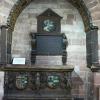
The monuments of this century were transitional, Gothic brasses and alabaster knights gave way to Renaissance tablets and Protestant restraint, reflecting faith, fashion, and Reformation upheaval.
This period represents the golden age and swan song of memorial brasses in England. These engraved brass plates, set flush into church floors or walls, reached their peak in size, artistry, and social reach before declining sharply after 1600. They are quintessential documents of Tudor society, Reformation theology, and commercial craftsmanship.
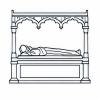
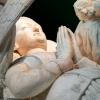
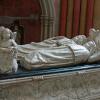
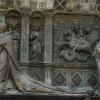
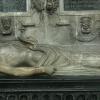
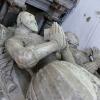
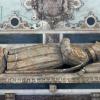
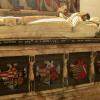
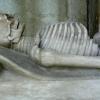
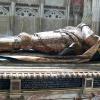
This was the final flourish of alabaster effigial sculpture in England. Once the premier medium for noble and gentry tombs (14th–15th c.), alabaster faced Reformation disruption, iconoclasm, and Renaissance competition, yet still produced some of the most refined, emotionally expressive figures in English funerary art.