
16th century church monuments
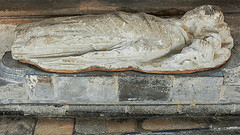
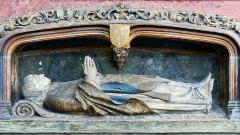
In the 16th century (c. 1500–1600), church monuments transitioned from late Gothic to Renaissance styles amid the Reformation (1530s onward). Brasses dominated for the middle classes; alabaster tombs for elites. Meanwhile religious upheaval reduced overt Catholic imagery.




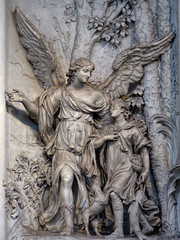 Baroque sculpture, flourishing from the late 16th century to the early 18th century, is a vibrant and dynamic art form that emerged during the Counter-Reformation, particularly in Italy, to inspire faith and awe among the faithful. Characterized by its dramatic intensity, bold movement, and emotional depth, this style contrasts with the balanced harmony of the Renaissance.